When homeowners need help with their trees, it’s common to assume that anyone with a chainsaw and a truck can handle the job. But tree care is far more complex and dangerous than it appears. Trees are living structures with intricate root systems, internal decay patterns, and species-specific needs — and managing them safely requires formal training, scientific understanding, and practical experience.
That’s where certified arborists come in. Working with a credentialed professional isn’t just about getting better results; it’s about ensuring safety, preserving property value, and preventing costly problems in the future.
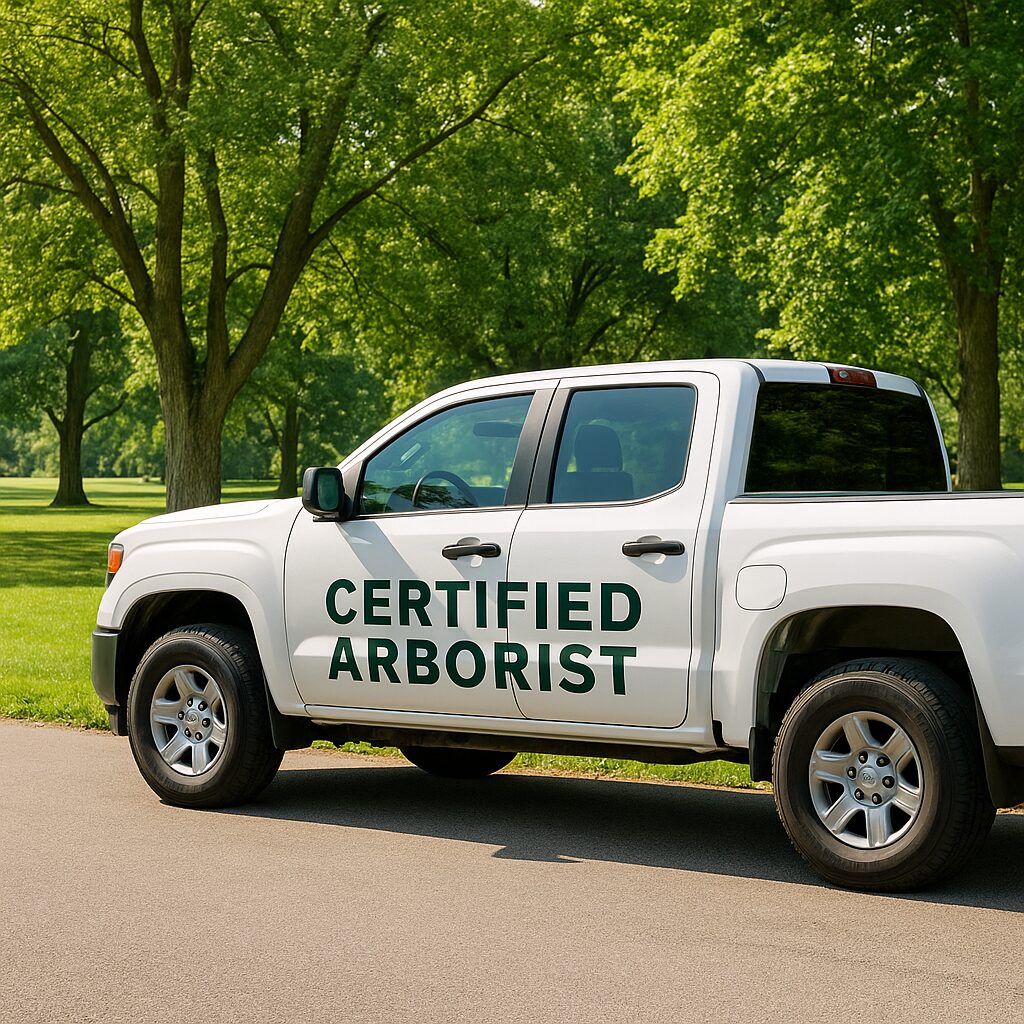
What Makes a Certified Arborist Different?
A certified arborist is trained in all major aspects of tree care, including biology, pruning standards, risk assessment, disease management, soil science, and safe climbing and rigging practices. To earn the credential, arborists must:
-
Pass comprehensive certification exams
-
Demonstrate years of field experience
-
Stay current through continuing education
-
Follow industry standards and best practices
-
Adhere to strict safety guidelines
This formal training ensures that decisions about pruning, removal, or tree health aren’t based on guesswork — they’re based on proven arboricultural principles.
Why Experience Isn’t Enough Without Certification
Experience is valuable, but without proper education and standards, even seasoned workers can unintentionally harm trees or create safety hazards. Certified arborists understand how trees respond biologically to cuts, stress, soil changes, pests, and environmental pressures. This level of knowledge prevents many of the problems that occur when unqualified workers handle tree care.
Tree care goes beyond simply cutting branches. It involves understanding:
-
Growth habits
-
Structural weaknesses
-
Species-specific pruning needs
-
Optimal timing for maintenance
-
Risk factors hidden inside or below the tree
Only trained arborists are equipped to make informed decisions that protect long-term tree health.
What Can Go Wrong Without a Certified Arborist?
Hiring someone without proper credentials may seem cheaper upfront, but the long-term costs can be significant. Common problems include:
1. Dangerous Improper Pruning
Unqualified workers often use outdated or harmful techniques such as topping, lion-tailing, or cutting into branch collars. These mistakes weaken trees, increase wind failure risk, and create permanent structural defects.
2. Undetected Structural or Root Problems
Many tree issues begin inside the wood or underground. Someone without diagnostic experience may miss signs of decay, poor root anchoring, disease, or soil issues — problems that can lead to sudden tree failure.
3. Damage to Homes, Fences, and Landscaping
Improper rigging or cutting can result in falling limbs or uncontrolled tree sections, putting structures at risk. Professional arborists use industry-approved lowering devices, ropes, pulleys, and safety systems to protect property.
4. Increased Storm Failure Risk
Poor pruning can make trees more vulnerable during windstorms — a major concern in areas like Camas and the Columbia River Gorge where east winds can be intense.
5. Voided Insurance or Liability Issues
If an unlicensed worker is injured on your property, or if their work causes later damage, homeowners may bear financial responsibility. Certified arborists carry appropriate insurance and follow regulated safety protocols.
Certified Arborists Protect Tree Health and Property Value
Trees are long-term investments. Mature trees provide shade, privacy, habitat, stormwater benefits, and aesthetic value. A single improperly made cut or misdiagnosed problem can reduce a tree’s lifespan dramatically. Certified arborists assess health from the roots to the crown, identifying both current issues and potential future risks.
By hiring trained professionals, homeowners protect:
-
Long-term tree structure and stability
-
Property value and curb appeal
-
Soil health and root function
-
Safety during storms
-
The lifespan of mature landscape trees
Healthy trees cost far less to maintain over time than those struggling from improper care.
The Difference TRAQ Qualification Makes
In addition to standard certification, some arborists — including those at New Day Arborist — also hold Tree Risk Assessment Qualification (TRAQ) credentials. TRAQ-certified arborists are trained to evaluate tree safety using standardized methods recognized across the industry.
TRAQ assessments help determine:
-
Likelihood of failure
-
Potential targets
-
Severity of consequences
-
Risk mitigation options
This level of expertise is essential when evaluating trees near homes, driveways, play areas, or neighboring properties.
Why “Cheapest” Often Becomes the Most Expensive Option
It’s tempting to choose the lowest bid for tree work, but unqualified workers can create long-term issues that cost far more than proper care would have. Homeowners often end up paying again for:
-
Corrective pruning
-
Hazard removal
-
Landscape restoration
-
Property repairs
-
Emergency storm response
Hiring a certified arborist from the start prevents these costs — and protects your trees for years to come.
Trust Your Trees to Trained Professionals
Trees are complex living organisms, and caring for them responsibly requires more than tools — it requires knowledge, credentials, and a commitment to best practices. Certified arborists bring this level of expertise to every assessment, pruning job, and removal.
At New Day Arborist, our certified and TRAQ-qualified arborists ensure that tree care is safe, science-based, and tailored to your landscape’s long-term health.