For many homeowners, deciding whether to remove a tree or invest in preservation can feel overwhelming. Tree removal may seem like the “cheaper” solution in the moment, especially when a tree shows signs of stress or damage. But when you consider long-term value, safety, property benefits, and future expenses, preservation is often far less costly than removal — and far more beneficial for the landscape.
Understanding the true cost difference between these two options can help homeowners make informed decisions that protect both their property and their budget.
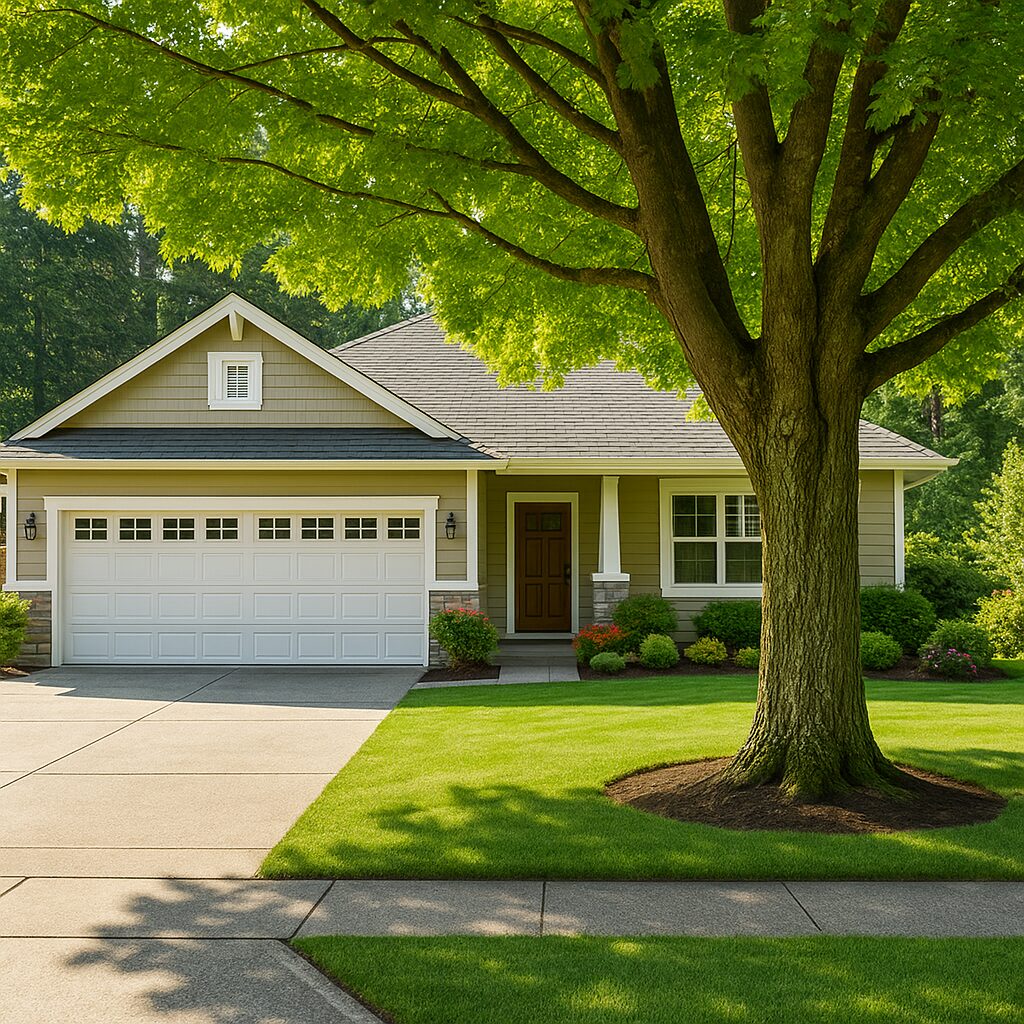
Why Tree Removal Isn’t Always the Budget-Friendly Option
Tree removal can be surprisingly expensive, depending on the tree’s size, condition, and location. Larger or compromised trees require specialized equipment, rigging, and highly trained climbers to remove safely. And once the tree is removed, there are additional costs such as stump grinding, replanting, and landscape restoration.
Removal may solve a short-term concern, but it often creates long-term gaps in shade, privacy, soil stability, and property appeal.
How Tree Preservation Saves Money Over Time
Tree preservation focuses on maintaining the tree’s health, structure, and stability through regular care. When performed correctly, preservation can extend the life of a tree by decades — saving homeowners the cost of removal and replacement while also boosting the property’s long-term value.
Preservation typically includes:
-
Corrective or structural pruning
-
Soil improvement and aeration
-
Pest and disease treatment
-
Cabling or bracing when necessary
-
Routine inspections to address issues early
Compared to removal, these maintenance steps are usually far less expensive and spread out over time, making them easier to budget for.
The Hidden Value a Mature Tree Adds to Your Property
A single mature tree can add thousands of dollars to a property’s value. Mature trees provide shade, lower heating and cooling costs, increase privacy, and make a home more attractive to buyers. Once a large tree is removed, replacing those benefits can take decades — if the replacement ever becomes large enough to match the original.
Mature trees also improve:
-
Stormwater absorption
-
Air quality
-
Soil stability
-
Landscape aesthetics
These benefits stick around year after year, at no additional cost to the homeowner.
When Removal Is the Right (and Sometimes Only) Choice
Tree preservation is ideal when the tree is structurally sound, treatable, and not interfering with critical infrastructure. But in some circumstances, removal is the safest and most cost-effective option:
-
Extensive internal decay or rot
-
Severe root damage or instability
-
Major structural cracks or leaning
-
Irreversible pest or disease infestation
-
Interference with foundations or utilities
-
End-of-life decline
In these cases, preservation would only delay the inevitable while adding unnecessary expense. Removing the tree before failure can prevent property damage and emergency fees later on.
The High Cost of Emergency Tree Removal
One of the biggest financial risks homeowners face is unplanned tree failure. When a tree or large limb fails during a storm, emergency removal crews must clear the damage quickly — often at significantly higher rates than scheduled work.
Emergency removals are more expensive because:
-
Conditions are unpredictable
-
Debris may be intertwined with structures
-
Storm response requires extra labor and equipment
-
Crews often work overnight or on short notice
Preservation reduces the risk of failure and the cost of surprise emergency service.
What Preservation Costs Compared to Removal
While prices vary based on species, size, and location, here is a general comparison:
Tree Removal Costs
-
Can range from several hundred to several thousand dollars
-
Increases with height, diameter, and complexity
-
Additional charges for stump grinding, debris hauling, and site restoration
Tree Preservation Costs
-
Typically much lower and spread out over time
-
Annual or bi-annual maintenance often ranges from a fraction of removal costs
-
Soil care and pest treatment are occasional, not constant
-
Structural pruning reduces future pruning needs
Over 10–20 years, preservation is almost always more cost-effective than removal.
Why Early Intervention Is the Key to Affordability
Many tree problems begin small and become serious only after years of neglect. Routine inspections catch minor issues early — when they require simple, affordable solutions instead of costly, invasive interventions.
Early action can prevent:
-
Major structural failure
-
Decline caused by soil issues
-
Pest and disease spread
-
Broken limbs that threaten people or property
A small investment in preservation today often prevents a major cost tomorrow.
Preservation Protects Your Landscape, Your Budget, and Your Peace of Mind
A well-maintained tree provides far more long-term value than the cost of preserving it. Healthy, stable trees enhance curb appeal, reduce energy costs, and contribute to a vibrant, resilient landscape. Removal should always be a last resort — not the first response.
At New Day Arborist, our certified and TRAQ-qualified arborists help homeowners evaluate the cost, risk, and long-term benefits of each tree so they can make the most informed decision possible.