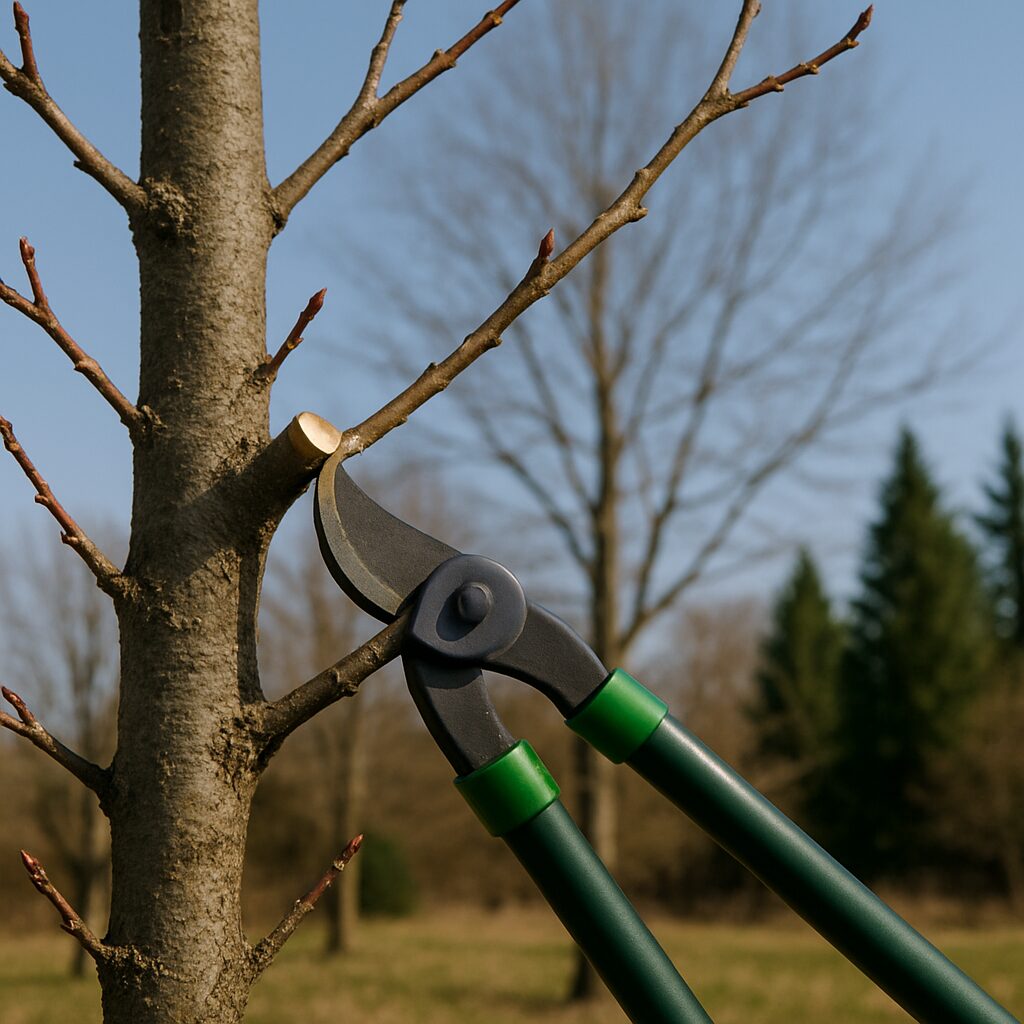
Tree pruning is one of the most important steps in maintaining the long-term health, safety, and beauty of your trees. But timing matters just as much as technique. In the Pacific Northwest — where our winters are wet, our summers are dry, and species vary widely from firs to maples to ornamental trees — choosing the right season for pruning can make a noticeable difference in how well a tree recovers and grows.
At New Day Arborist, homeowners often ask: “When is the best time to prune my trees?” The answer depends on the species, the purpose of the pruning, and the local weather patterns that shape tree growth in this region.
Why Timing Matters for Tree Health
Pruning at the wrong time can stress a tree, attract pests, slow healing, or even trigger unwanted growth patterns. But pruning at the right time:
-
Promotes strong, healthy new growth
-
Reduces the risk of disease and pest infestation
-
Minimizes sap loss and stress
-
Helps the tree seal pruning cuts more efficiently
-
Improves structure and stability before storms
Because trees expend energy differently throughout the year, pruning should align with natural cycles whenever possible.
Late Winter: The Ideal Time for Most Pruning
In the Pacific Northwest, late winter (January through early March) is the best time to prune the majority of deciduous trees. During this dormant period, trees are not actively growing, and pruning wounds close more efficiently once spring begins.
Benefits of late-winter pruning include:
-
Reduced risk of disease spread
-
Better visibility of branch structure without leaves
-
More controlled spring growth
-
Minimal sap flow from cuts
-
Lower stress on the tree during recovery
This timing is especially beneficial for maples, alders, birches, and fruit trees — all of which respond well to dormant-season pruning.
Spring Pruning: Light Touch Only
Spring pruning is possible, but it should be limited to small corrective cuts or removal of dead, damaged, or crossing branches. Trees are pushing out new leaves and allocating energy toward growth, so heavy pruning in spring can reduce vigor or lead to stress-related issues later in the season.
Spring pruning works best for:
-
Removing winter storm damage
-
Small touch-up cuts
-
Shape correction on ornamentals
Avoid major structural pruning during this period unless necessary for safety.
Summer Pruning: Best for Growth Control
Summer pruning in the PNW — typically June through August — can be helpful for managing growth in fast-growing species. Because trees are fully leafed out, summer pruning reduces energy production and can slow overly vigorous growth.
Summer pruning is ideal for:
-
Reducing canopy density
-
Managing large, fast-growing maples
-
Correcting weight distribution
-
Improving visibility and light penetration
This is also a good time for pruning fruit trees that require mid-season training.
Fall Pruning: Use Caution
Many homeowners assume fall is a good time to prune, but in the Pacific Northwest, fall pruning is not recommended for most species. As temperatures cool and moisture increases, pruning wounds take longer to close, and fungi and pathogens are more active.
Fall pruning can increase the risk of:
-
Fungal infection
-
Decay entering fresh cuts
-
Storm-related breakage on freshly pruned limbs
-
Unwanted late-season growth
Exceptions exist for removing hazardous branches or storm risks, but most routine pruning should wait until winter.
Species That Require Special Seasonal Attention
Not all trees follow the same seasonal rules. Certain PNW species benefit from specific timing:
Maples, Birches & Alders
These “bleeders” tend to produce heavy sap flow if pruned in spring. Winter pruning is best.
Fruit Trees
Late winter or very early spring encourages strong, productive growth.
Conifers (Cedars, Firs, Pines)
These should be pruned lightly, and mostly in late spring or early summer — never during fall or winter, when fungal spores are abundant.
Ornamental Trees
Timing depends on flowering cycle. As a rule of thumb:
-
Spring-flowering trees: prune right after blooming
-
Summer-flowering trees: prune in winter or early spring
Weather Patterns Matter Too
Camas and the Columbia River Gorge region experience strong east winds, heavy winter rain, and occasional snow and ice. These conditions increase the likelihood of:
-
Broken branches
-
Stem failures
-
Weight imbalance in crowns
Pre-storm pruning — usually in late summer or early fall — helps reduce risk, but major structural pruning should still be scheduled for winter.
When in Doubt, Get a Professional Assessment
Every tree is different, and pruning is never a one-size-fits-all decision. A certified arborist evaluates species, age, structure, health, and surrounding environment before recommending the right timing and method. Proper timing protects the tree, the property, and the homeowner.
At New Day Arborist, our certified and TRAQ-qualified arborists help homeowners choose the ideal pruning schedule to keep trees healthy, safe, and thriving year-round.