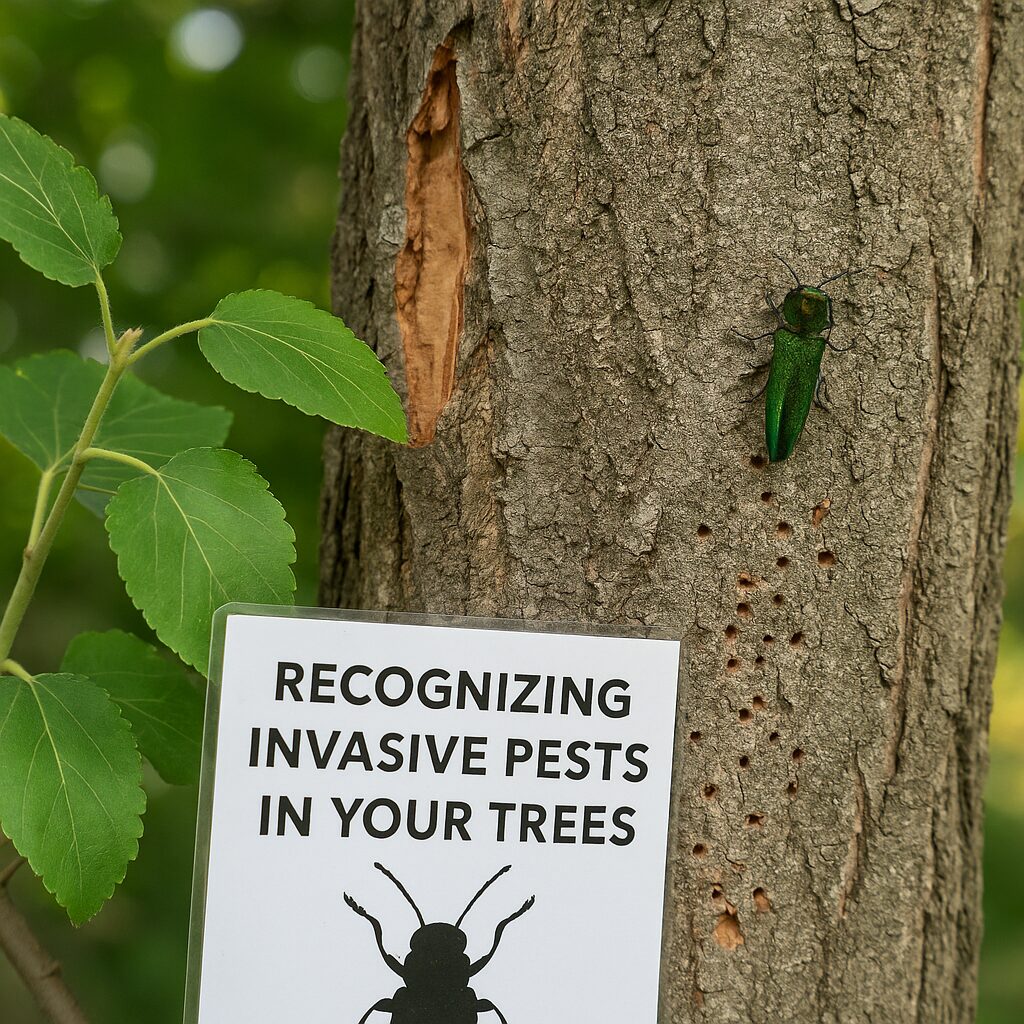
 It’s a scenario no homeowner or property manager wants to face: You step outside to enjoy the shade of a beloved tree, only to notice strange holes in the bark, wilting leaves, or sticky residue on your patio. Invasive pests could be at work, quietly damaging your trees and threatening the health of your landscape. Understanding how to recognize these unwelcome visitors and knowing what to do about them can make the difference between saving your trees and losing them.
What Are Invasive Pests?
Invasive pests are non-native insects, mites, or diseases that have been introduced to a region—often by accident—where they have no natural predators or controls. Without those natural checks and balances, their populations can explode, causing widespread damage to local tree species. These pests can arrive in packing materials, firewood, nursery plants, or even on vehicles. Once established, they can be extremely difficult to eradicate.
Some of the most notorious invasive pests in North America include:
-
Emerald Ash Borer
-
Asian Longhorned Beetle
-
Gypsy Moth (Spongy Moth)
-
Dutch Elm Disease
-
Sudden Oak Death
Each pest targets specific tree species, but all have the potential to devastate landscapes and forests if left unchecked.
Signs Your Tree May Have an Invasive Pest Problem
How do you know if your trees are under attack? While symptoms can vary by pest, here are some common warning signs:
-
Holes in the Bark: Small, round, or oval holes can indicate boring insects like emerald ash borers or Asian longhorned beetles.
-
Wilting or Discolored Leaves: Sudden wilting, yellowing, or browning out of season can point to root or vascular damage caused by pests or diseases.
-
Dieback of Branches: Sections of the tree canopy dying back can be a sign that pests have interrupted the tree’s ability to move water and nutrients.
-
Sticky Residue or Sooty Mold: Some sap-sucking insects, such as aphids or scale, excrete honeydew—a sticky substance that attracts mold.
-
Unusual Growths or Cankers: Bulges, sunken areas, or oozing sap may signal an infection.
-
Visible Insects or Egg Masses: Sometimes the culprits themselves or their larvae are visible on bark, leaves, or branches.
If you notice any of these signs, it’s time to act quickly—early intervention is often key to saving affected trees.
Common Invasive Tree Pests to Watch For
1. Emerald Ash Borer
A metallic green beetle whose larvae burrow under the bark of ash trees, causing rapid decline and death. Look for D-shaped exit holes and increased woodpecker activity.
2. Asian Longhorned Beetle
A large, black beetle with white spots, it targets maple, willow, elm, and other hardwoods. Look for perfectly round exit holes and sawdust at the base of the tree.
3. Gypsy Moth (Spongy Moth)
Caterpillars feed on the leaves of many tree species, causing defoliation. Look for fuzzy egg masses on tree trunks and chewed leaves.
4. Dutch Elm Disease
A fungal disease spread by bark beetles, it causes wilting, yellowing leaves, and branch dieback in elm trees.
Managing Invasive Pests: What You Can Do
1. Early Detection and Identification
Routine inspections are your best defense. The sooner you spot a problem, the better your chances of controlling it. If you suspect a pest, take photos and contact a certified arborist or local extension office for identification.
2. Don’t Move Firewood
Many pests hitch rides in firewood. Always buy firewood where you burn it and never transport it long distances.
3. Proper Tree Care
Healthy trees are better able to resist and recover from pest attacks. Water during dry spells, mulch properly, and avoid injuring roots and bark.
4. Remove and Destroy Infested Material
If a tree or branch is heavily infested, it may need to be removed and destroyed (not composted) to prevent further spread.
5. Use Treatments Wisely
In some cases, professional pesticide applications or biological controls may be appropriate. Always follow expert advice and avoid indiscriminate use of chemicals.
6. Plant Diverse Species
A varied landscape with multiple tree species reduces the impact of any one pest and encourages natural predators.
Partner with Professionals
Dealing with invasive pests can be overwhelming, but you don’t have to go it alone. At New Day Arborist, we have the training and experience to identify, manage, and help prevent pest problems in your trees. Whether you’re concerned about a single tree or a whole grove, our experts can guide you to the safest and most effective solutions.
Suspect a pest problem?
Contact New Day Arborist today for a thorough inspection and action plan. Protect your trees, your property, and your peace of mind!