Happy New Year!
January in Camas can be a challenge for trees. Situated on the west end of the Columbia River Gorge, the weather can get quite lively. The east wind and the potential for snow and ice can lead to a myriad of tree failures. While whole tree failure is rare, branch or stem failures frequently happen during periods of heavy weather. How do we manage our trees to prevent these failures and what steps can be taken to achieve a positive outcome? Start with having your trees assessed by a qualified Arborist, and there is no time like the present. At New Day Arborist we have 3 Certified Arborists with over 60 years of combined experience that you can meet with, and two of whom are also Tree Risk Assessment Qualified.
How does the process of tree assessment work, you ask? It starts with a site visit and a visual inspection of one tree or all the trees on the property. During the assessment, site history, tree health, structure, and risk will be discussed. Recommendations will then be made to improve tree health, structure, and how to mitigate risk.
Why site history? It’s important to know when trees were planted, if there have been any major changes in the landscape such as grade change, changes in irrigation or drainage patterns, and whether there has been recent subsurface work done adjacent to or within the dripline of the trees on the property. All these things can be tied directly to tree health.
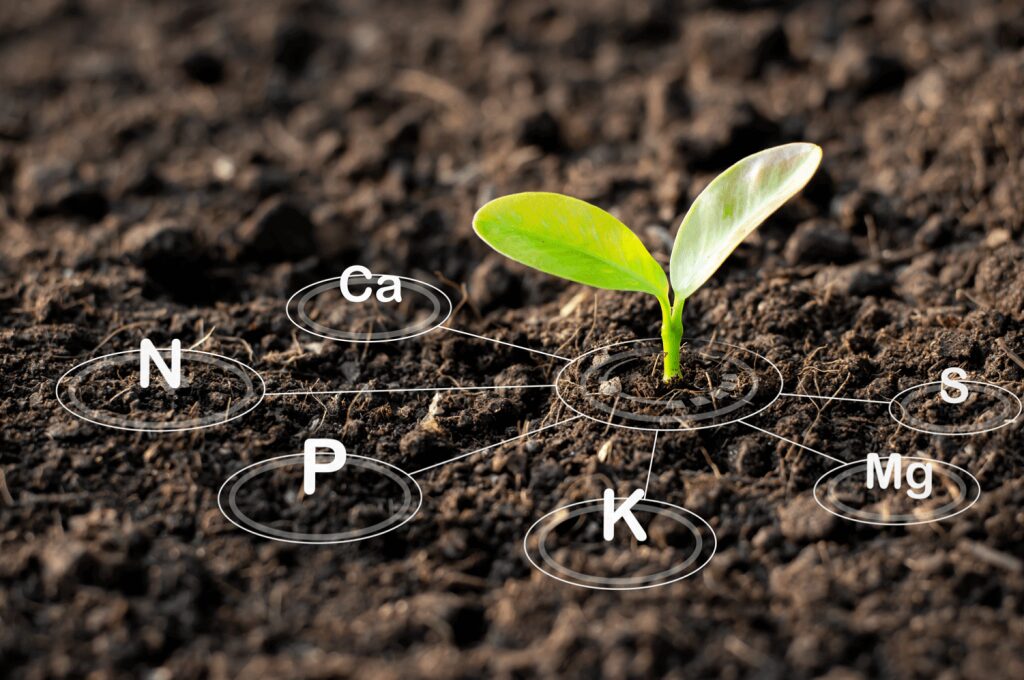
We frequently are asked to determine if a tree or a number of trees are healthy. In addition to site history, the metrics we rely on for tree health are annual shoot growth, foliage color, size, and density. If all appear normal, we proceed to assess structure. If the health metrics appear less than ideal, we assess soil characteristics such as composition, fertility, and volume. We then look at the trunk followed by the crown (stem and branches) to determine what biotic or abiotic issues are affecting tree health. Biotic issues include plant diseases, insect damage, and damage from animals. Abiotic issues include soil compaction, drought, and physical damage from weather or humans. Recommendations will then be made to address, as much as possible, what steps can be taken to improve tree health.
Crown structure, or more specifically poor crown structure, can lead to failure during periods of heavy weather. Stems and branches with poor attachments and overextended branches with excessive end weight can result in stem or branch failure during weather events. Recommendations will be made to improve structure and mitigate failures and, if necessary, recommend removal.
Site history, tree health, and tree structure are all combined into a tree risk assessment. At this point, we can give the tree owner a clear picture of risk potential and mitigation options that keep the tree or trees firm during heavy weather events. Trees are our business and our passion, whether it is consulting, pruning, plant health care, or, if necessary, removal. Let us begin the process with a comprehensive tree assessment based on sound arboricultural and scientific principles and make this new year a great year.